Digital Code Libraries & Search Tools: What They Fix and What They Don’t
Digital Code Libraries & Search Tools: What They Fix - and What They Don’t Digital code libraries and search tools have become the default way architects and ..
Digital Code Libraries & Search Tools: What They Fix - and What They Don’t
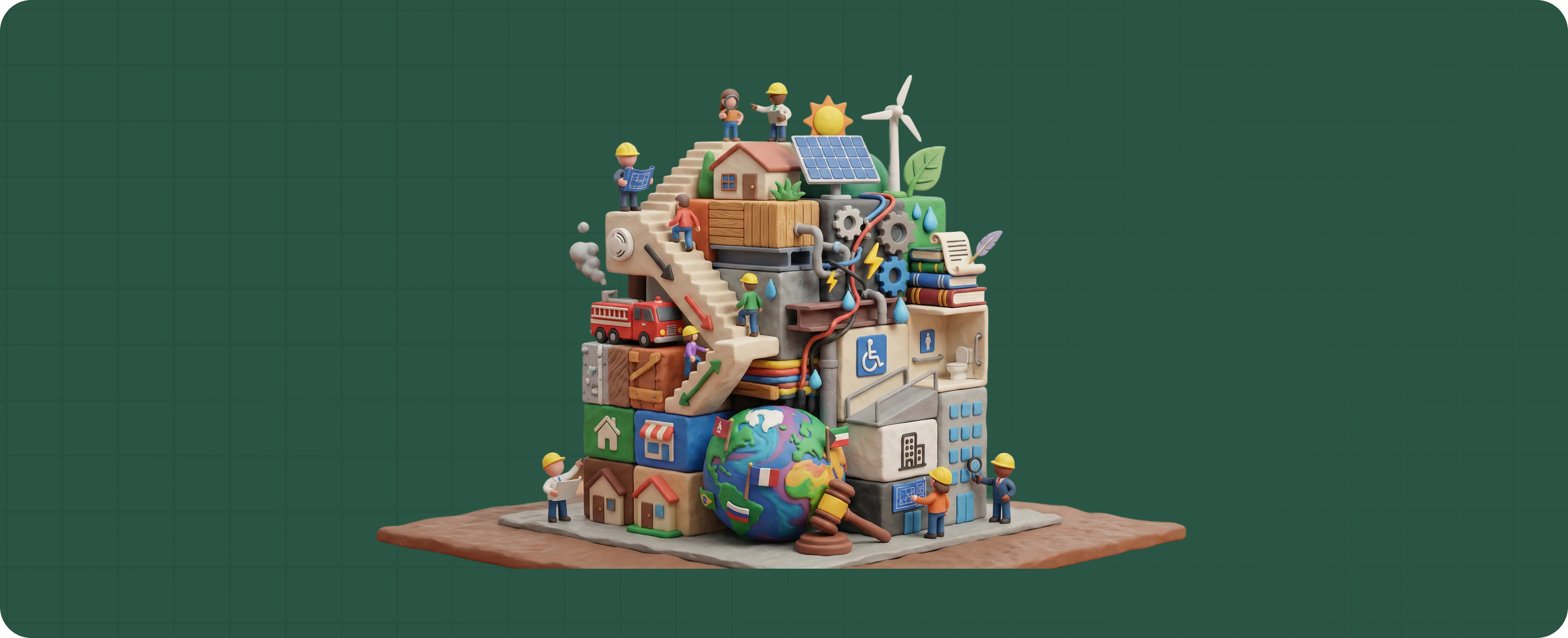
Digital code libraries and search tools have become the default way architects and engineers access building codes today. By centralizing documents and enabling keyword search, these tools dramatically improve access and speed compared to printed books and static PDFs.
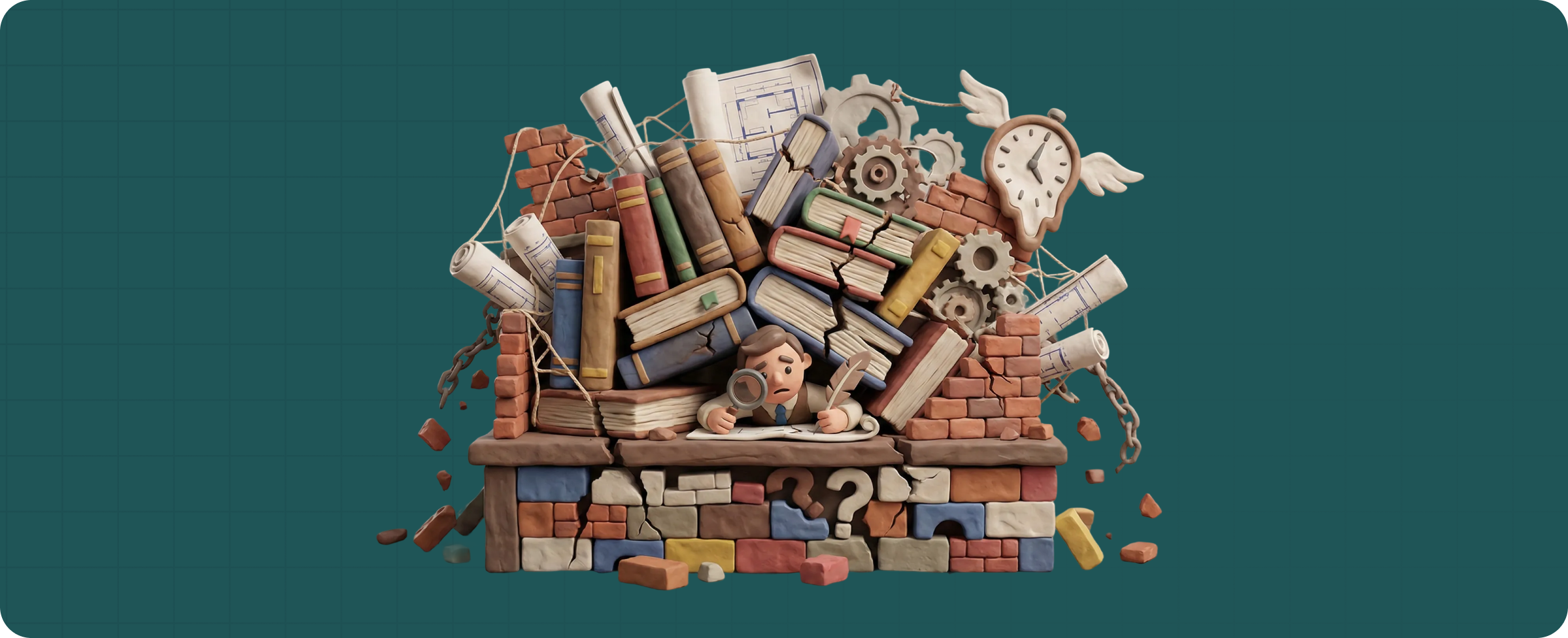
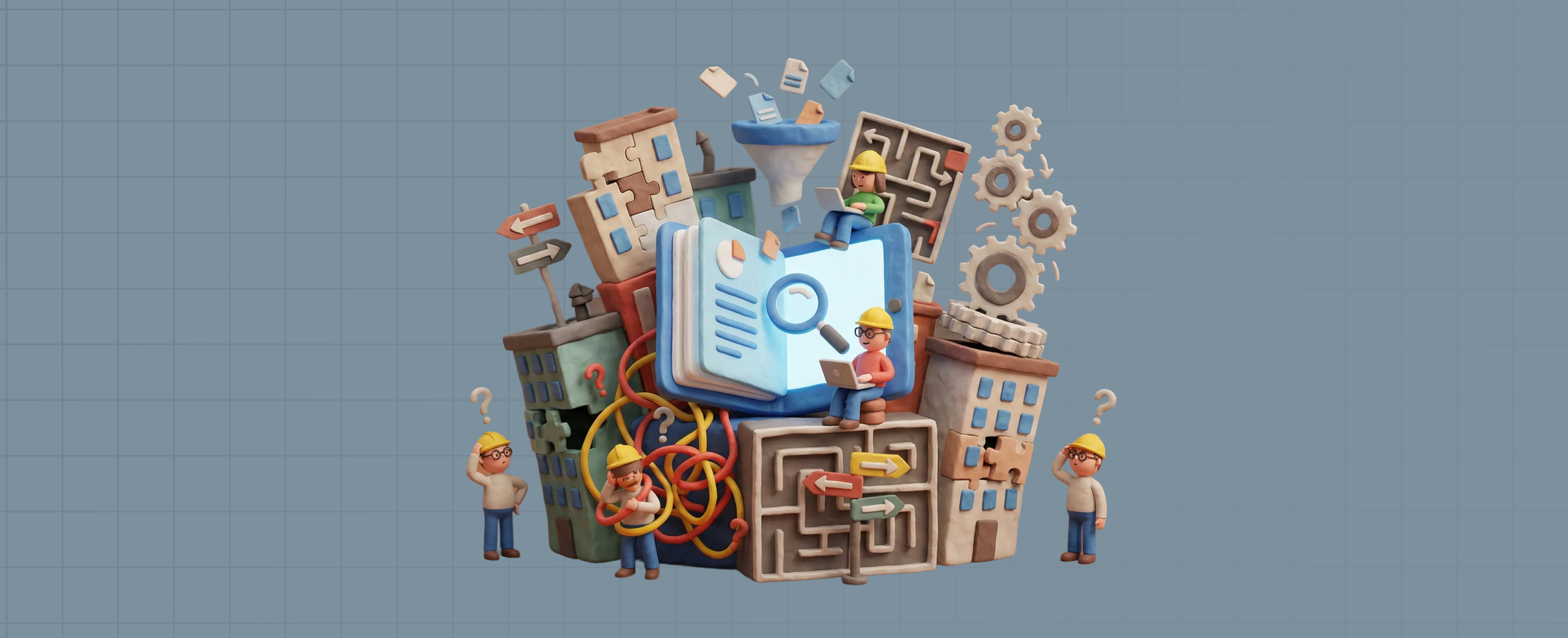
However, while digital tools solve the problem of availability, they do not solve the problem of interpretation. They help professionals find code sections faster, but they do not help determine applicability, resolve dependencies, interpret exceptions, or verify compliance decisions.
This article examines how digital code libraries and search tools are used in practice, what problems they successfully address, where they fall short, and why faster access alone does not equate to safer or more reliable code compliance.
Why Digital Code Libraries Became the Default
As code volumes increased and project timelines compressed, digital access became essential. Digital libraries offered:
Centralized access to multiple codes
Faster navigation compared to printed books
Easier sharing across teams
Reduced physical overhead
For many firms, digital libraries were a necessary upgrade - not an optional one.
Section summary:
Digital libraries solved access, not complexity.
Keyword Search: Speed with Tradeoffs
Keyword search is the most widely used feature of digital code tools. It allows users to:
Locate sections quickly
Jump between results
Scan for relevant terms
However, keyword search introduces several structural risks:
Missing alternate terminology
Ignoring upstream conditions
Treating sections as standalone rules
Overlooking exceptions located elsewhere
Search favors speed, not completeness.
Section summary:
Search finds matches, not meaning.
Fragmentation Across Documents
Even in digital form, codes remain fragmented:
Building codes separate from fire codes
Referenced standards stored elsewhere
Amendments layered awkwardly on base text
Users must still mentally stitch together requirements across documents - often without clear guidance on precedence or interaction.
Section summary:
Digital format does not equal integration.
What can you ask? (Sample questions)
- Do handrail height requirements differ between stairs and ramps?
- How do ADA handrail rules differ from building code requirements?
- What is the maximum handrail diameter?
- Can I omit a handrail for a private staircase?
Lack of Project Context
Digital libraries generally treat all users and projects the same. They do not inherently account for:
Occupancy type
Construction type
Building height and area
Fire protection features
Jurisdictional nuance
Without context, the same section may or may not apply - yet the tool cannot tell the difference.
Section summary:
Context determines compliance, but tools remain generic.
Read more about What Architects & Engineers Actually Do When They “Research Code”
No Built-In Dependency Awareness
Most digital tools present code sections in isolation. They do not:
Track logical dependencies
Surface upstream conditions
Warn when assumptions change
Highlight conflicting provisions
As a result, users must manually reconstruct reasoning paths - reintroducing the same risks found in manual workflows.
Section summary:
Digital access does not replace reasoning.
Amendments and Version Confusion
While some digital libraries include amendments, they are often:
Poorly integrated
Inconsistently displayed
Easy to overlook
Users must still verify whether they are reading:
The correct edition
The correct jurisdiction
The correct modified language
Mistakes here can invalidate entire interpretations.
Section summary:
Digital does not guarantee correctness.
Trust and Overconfidence Risks
Because digital tools feel authoritative and fast, they can create:
Overconfidence in partial answers
Reduced verification effort
Assumption that “if it’s searchable, it’s sufficient”
This false sense of security can increase risk rather than reduce it.
Section summary:
Convenience can mask uncertainty.
Where Digital Tools Do Add Real Value
Despite limitations, digital libraries are genuinely useful for:
Initial orientation
Locating known sections
Quick reference checks
Sharing links across teams
They are an improvement over printed books - but not a complete solution.
Section summary:
Digital tools are necessary, but incomplete.
Why Digital Libraries Don’t Solve the Core Problem
The core challenge of code compliance is not finding text - it is determining:
Applicability
Interpretation
Interaction
Verification
Digital libraries stop at retrieval. They do not engage with reasoning.
Section summary:
Compliance fails at interpretation, not access.
Frequently Asked Questions (FAQs)
Are digital code libraries better than printed books?
Yes, for access and speed - but not for interpretation.
Do search tools reduce compliance risk?
They reduce lookup time, not interpretation risk.
Why do professionals still make mistakes with digital tools?
Because the tools do not track logic, dependencies, or context.
Are amendments easier to manage digitally?
Somewhat - but they are still easy to miss.
Can digital tools replace professional judgment?
No. They provide information, not decisions.
Why do teams still rely on senior review?
Because digital tools do not validate interpretations.
Is faster access always better?
Not if it leads to unverified conclusions.
What problem do digital tools actually solve?
Access - not compliance.
Related Building Code Resources
- Building CodesWhat Are the Key Aspects to Consider When Analyzing Building Codes?
- Building CodesWhere Traditional Building Code Research Breaks Down
- Building CodesThe Hidden Costs of Manual Building Code Research
- Building CodesTraditional Building Code Research Methods
- Building CodesWhy Modern Code Compliance Is Harder Than Ever?
MeltPlan
A curated stream of preconstruction intelligence, estimating innovation, takeoff breakthroughs, workflow advancements, and expert perspectives—powered by the AI and technology shaping the future of construction.
Visit SiteDon't miss what's shaping AEC
The latest on preconstruction, codes, AEC news & trends — so you're always in the know.