What are the Key changes in Chapter 14 Exterior Walls of CBC 2025?
Chapter 14 undergoes one of the largest transformations in the 2025 CBC, including sweeping updates to weather barriers, vapor retarders, flame propagation perf..
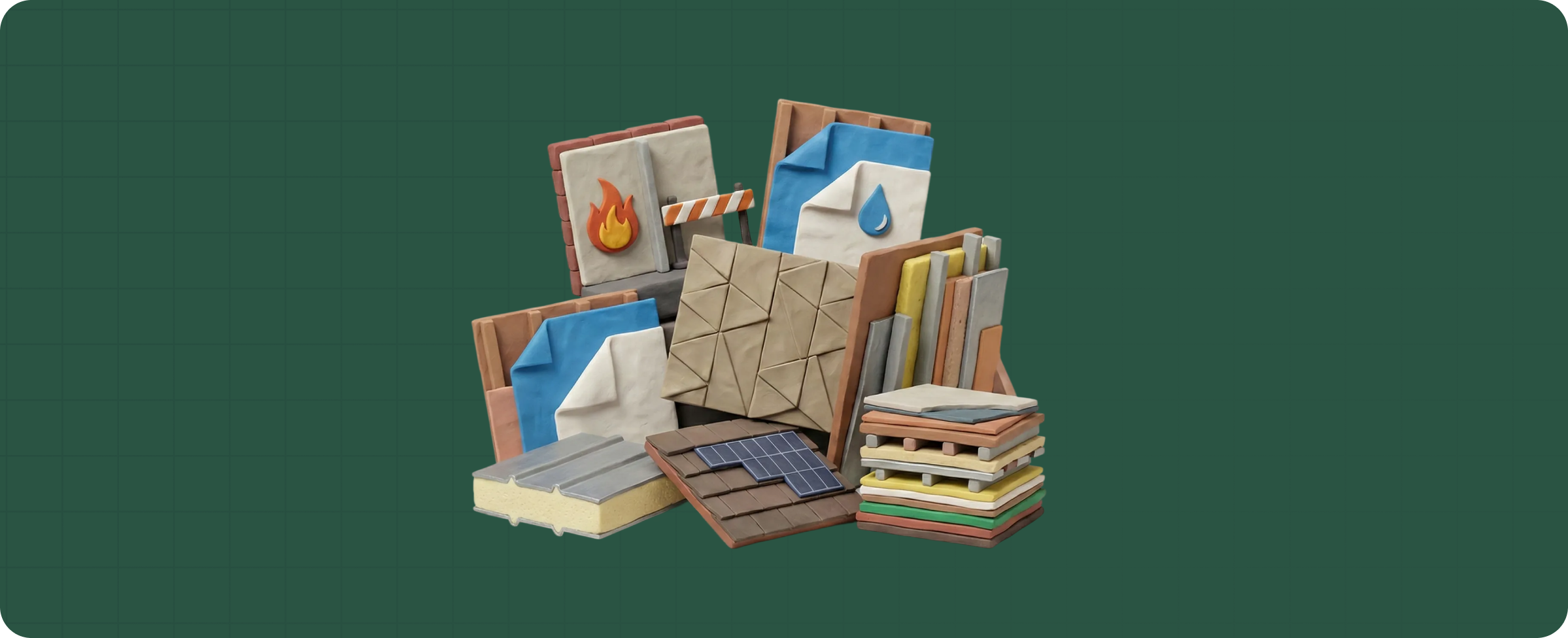
Chapter 14 undergoes one of the largest transformations in the 2025 CBC, including sweeping updates to weather barriers, vapor retarders, flame propagation performance for exterior wall assemblies, vinyl siding installation, polypropylene siding, insulated metal panels (IMP), building-integrated photovoltaics (BIPV), and fire performance of cladding systems. It reorganizes entire sections, adds numerous new subsections, and modernizes exterior envelope design to align with high-performance wall systems and post-Grenfell façade safety trends.
High-Impact Summary
Chapter 14 receives one of the most sweeping updates in the 2025 CBC. Themes include:
1. Complete restructuring and modernization of exterior wall provisions
Including:
- Exterior wall assemblies
- Soffits & fascias
- Cladding systems
- Water-resistive barriers (WRBs)
- Moisture control
- Vapor retarders
- Flame propagation limits
- New material-specific installation rules
2. Major emphasis on fire performance due to global façade fire incidents
CA incorporates tougher:
- Vertical flame propagation standards
- NFPA 285 acceptance criteria
- Materials using combustible adhesives
- Exterior insulation requirements
3. New categories of advanced cladding
Such as:
- Insulated vinyl siding
- Polypropylene siding
- Fiber-mat cementitious backer units
- Insulated metal panels (IMP)
- Building-integrated photovoltaics (BIPV)
4. Holistic reorganization
The entire chapter is made more coherent and aligned with modern building enclosure practices.
General Scope & Definitions
| Section | Topic | Description | Impact |
|---|---|---|---|
| 1401.1 | Scope | Scope expanded to explicitly apply to exterior wall assemblies, soffits, and fascias; replaces “envelope” with “assembly.” | Places explicit responsibility on assembly-level compliance. |
| 1402.3 | Wind Resistance | Renamed from “Structural” to “Wind Resistance.” | Clearer intent for cladding performance. |
| 1402.3.1 | Fastening Through Exterior Insulation | Relocated & updated; fastening must account for cladding weight. | Critical for thick exterior insulation systems (CI). |
Fire Propagation & Combustibility
| Section | Topic | Description | Impact |
|---|---|---|---|
| 1402.5 | Vertical & Lateral Flame Propagation | New section addressing fire spread on exterior walls. | Post-Grenfell alignment with international façade standards. |
| 1402.7 | Combustible Adhesive Veneers | New section regulating veneers using combustible adhesives. | Addresses hidden risk in modern cladding systems. |
| 1402.8 | Compliance Methods | NFPA 285 acceptance criteria now minimum standard. | Stronger façade fire performance threshold. |
Water-Resistive Barrier (WRB) & Moisture Control
What can you ask? (Sample questions)
- When does the 2025 CBC take effect and what editions does it adopt?
- What are the key California amendments to the IBC in CBC 2025?
- How do Title 24 energy requirements change in 2025?
- What accessibility changes are in Chapter 11B of CBC 2025?
| Section | Topic | Description | Impact |
|---|---|---|---|
| 1403.2 | WRB | Expanded language on WRB installation. | Modernizes WRB detailing and performance expectations. |
| 1404.3 | Vapor Retarders | Updated section + two new exceptions. | Better accommodates mixed-humid climate needs. |
| Tables 1403.3(2), (4), (5) | Vapor Retarder Options | Extensive updates including new footnotes & new table for CI without Class I–III vapor retarders. | Clarifies vapor profile for high-performance walls. |
| 1404.3.1 | Spray Foam Insulation | Now includes Class II VR; adds two new conditions. | Important for spray-foam-based assemblies. |
| 1404.3.2 | Vapor Retarder Installation | Completely revised from old “hybrid insulation” section. | Reorients code to installation details over material types. |
Cladding Materials / New Material Sections
| Section | Description | Impact |
|---|---|---|
| 1403.13 | Fiber-Mat Cementitious Backer Units | New section. |
| 1403.14 | Insulated Vinyl Siding | New section with installation specifics. |
| 1404.5 | Fastening | Consolidates fastening requirements. |
| 1404.15.2 | Siding Over Foam Plastic Insulation | New section. |
| 1404.18 | Polypropylene Siding | New section + subsections (Installation, Fasteners). |
| 1404.19 | Fiber-Mat Cementitious Backer Units | Additional section. |
| 1409 | Insulated Metal Panels (IMP) | Entirely new section. |
| 1411 | BIPV for Walls & Fenestration | New section regulating photovoltaic wall systems. |
| 1412 | Soffits & Fascias at Overhangs | New section. |
Fire Safety for Exterior Wall Coverings
| Section | Description | Impact |
|---|---|---|
| 1405.1.1 | Combustible Wall Coverings in Types I–IV-HT — Item 2 revised with four new exceptions for combustible coverings on >40 ft structures. | More flexible cladding allowances while maintaining safety. |
| 1407.5 | EIFS — New section referencing §2603.5. | Integrates EIFS with updated foam-plastic requirements. |
Expert Commentary - Chapter 14 (Exterior Walls)
This is one of the top three biggest chapters in the entire 2025 CBC overhaul (along with Chapters 7 & 9). The changes reflect:
- The rise of thick exterior insulation
- Increasing use of new siding/cladding materials
- Global façade fire tragedies (requiring vertical fire propagation limits)
- The growth of BIPV applications
- Demand for clearer WRB + vapor control rules
Architects will feel these changes most in:
- Envelope detailing
- Façade engineering
- Thermal and vapor analysis
- Fire/life-safety façade compliance
- Material submittal coordination
FAQs
1. Why is Chapter 14 one of the most heavily revised chapters in CBC 2025?
Because exterior wall assemblies have undergone massive technological, material, and safety changes in the last decade. The chapter was rewritten to align with:
- high-performance walls
- thicker exterior insulation (CI)
- modern cladding materials
- stricter façade fire propagation standards
- BIPV system expansion
It’s one of the three most consequential chapter overhauls in the 2025 CBC.
2. What are the biggest themes in the Chapter 14 updates?
Four major themes dominate the 2025 version:
- Complete restructuring of the chapter
- Strong new fire-propagation rules post-Grenfell
- New classes of cladding materials and installation rules
- Modernized WRB, moisture control, and vapor retarder requirements
The chapter is more cohesive, more detailed, and more performance-oriented than before.
3. How do the new fire-propagation rules affect façade design?
CBC 2025 introduces tough new fire spread controls, including:
- vertical & lateral flame-propagation limits
- combustible adhesive veneer regulation
- NFPA 285 as the minimum acceptance standard
- enhanced requirements for exterior insulation on tall buildings
These create higher safety thresholds for mid-rise and high-rise projects.
4. What’s new in water-resistive barrier (WRB) and moisture-control requirements?
WRB rules now include:
- updated installation details
- clearer performance expectations
- new vapor retarder tables (with major clarifications for CI systems)
- updated spray foam rules
- new installation-specific guidance (not just material-based)
These changes ensure better moisture management and reduce the risk of condensation in high-performance assemblies.
5. How do the vapor retarder updates impact design in mixed or humid climates?
Two major updates help designers avoid moisture traps:
- new exceptions for assemblies where a vapor retarder is unnecessary
- a new table specifically for CI without Class I–III vapor retarders
The updates encourage proper vapor profiles and reduce one-size-fits-all interpretations.
6. Which new cladding materials now appear in the code?
CBC 2025 adds brand-new sections for:
- Insulated vinyl siding
- Polypropylene siding
- Fiber-mat cementitious backer units
- Insulated metal panels (IMP)
- Building-integrated photovoltaics (BIPV)
Each material has its own performance, fire, or installation requirements.
7. What’s significant about the new IMP and BIPV sections?
IMP (Section 1409):
- New fire, WRB, fastening, and installation rules
- Reflects widespread adoption of insulated metal façades
BIPV (Section 1411):
- Defines photovoltaic wall systems
- Adds fire, moisture, and wiring pathway protections
- Modernizes façade integration requirements
These sections acknowledge fast-growing segments in sustainable and high-performance design.
8. How will these updates affect envelope detailing and coordination?
Designers must now coordinate:
- thermal continuity
- vapor/WRB layering
- cladding weight over exterior insulation
- material-specific fastening
- NFPA 285 pathways
- special conditions for combustible adhesives
Expect more coordination between architects, façade engineers, fire engineers, and installers.
9. Does the chapter change where façade fire testing (NFPA 285) is required?
Yes. CBC 2025 now makes NFPA 285 the baseline compliance method for many assemblies, especially where:
- combustible materials are used
- exterior insulation exceeds certain thresholds
- veneers use combustible adhesives
This raises the minimum safety standard significantly.
10. What changes were made to soffits and fascias?
For the first time, the code explicitly:
- expands Chapter 14’s scope to soffits and fascias
- adds a dedicated section (1412) for overhang envelope components
This closes a long-standing gap in exterior envelope regulation.
11. How do the updates affect high-rise and mid-rise buildings?
High-rise designers face:
- stricter fire propagation limitations
- more NFPA 285 triggers
- more regulated use of combustible adhesives and claddings
- detailed WRB/vapor requirements
- new performance expectations for CI fastening
These changes push California closer to global best-practice façade safety.
12. Why does the code now regulate siding installed over foam plastic insulation?
Because foam plastic (CI) can create hidden fire paths behind cladding. CBC adds a new section to ensure:
- detailing
- fastening
- fire performance
13. What does this mean for architectural practice in California?
Architects, envelope consultants, and façade engineers will face:
- more complex detailing
- more material submittal coordination
- more fire testing requirements
- stricter WRB & vapor control
- more scrutiny from AHJs
The chapter emphasizes performance-driven envelope design—no more relying on generic details or old installation habits.
References
Related Building Code Resources
- Building CodesWhat are the Key changes in Chapter 11B Accessibility to Public Buildings & Public Housing of CBC 2025?
- Fire & Life SafetyWhat are the Key changes in Chapter 10 Means of Egress of CBC 2025?
- Fire & Life SafetyWhat are the key Changes in Chapter 9 Fire Protection Systems California Building Code 2025?
- Building CodesWhat are the key changes in Chapter 5 General Building Heights & Areas of CBC 2025?
- Building CodesWhat are the key changes in Chapter 4 Special Detailed Requirements Based On Occupancy & Use of CBC 2025?
MeltPlan
A curated stream of preconstruction intelligence, estimating innovation, takeoff breakthroughs, workflow advancements, and expert perspectives—powered by the AI and technology shaping the future of construction.
Visit SiteDon't miss what's shaping AEC
The latest on preconstruction, codes, AEC news & trends — so you're always in the know.