When Building Code Research Happens Across the Design Lifecycle?
Building code research is not a single task performed at the beginning of a project - it is a continuous process that unfolds across the entire design and const..
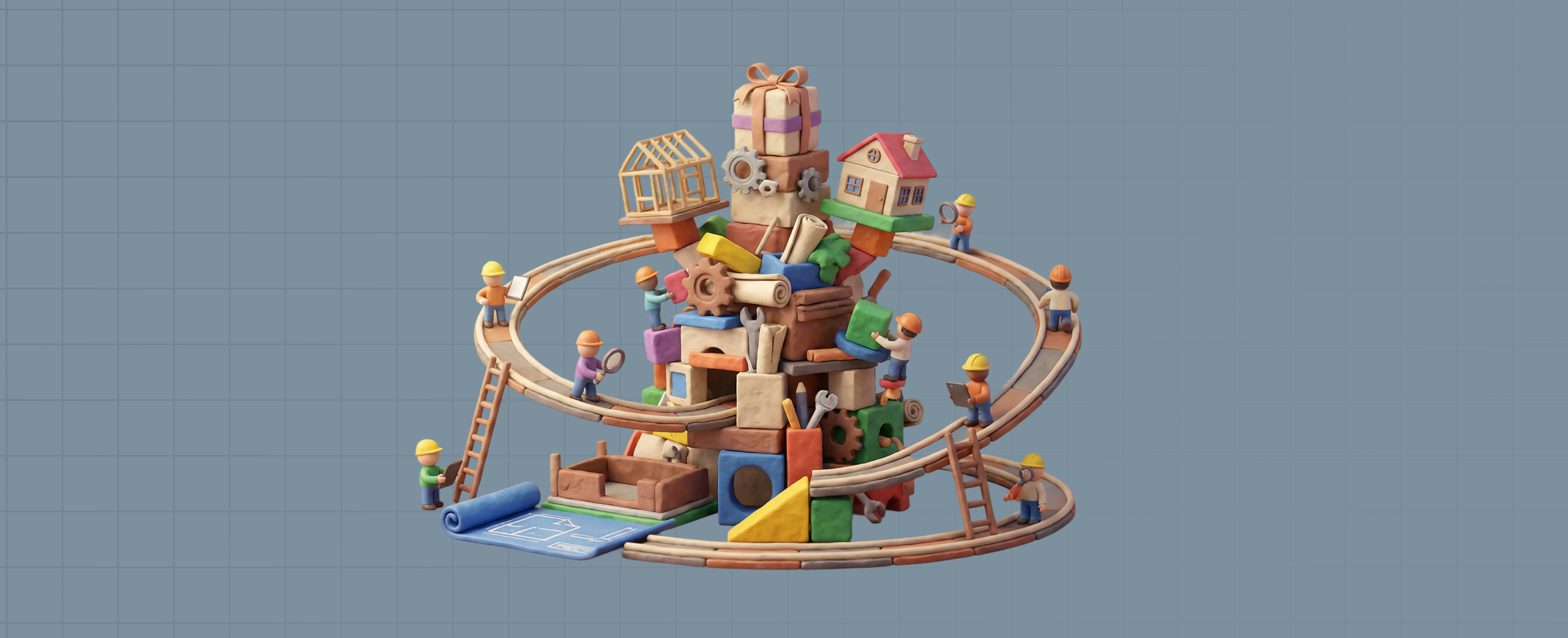
Building code research is not a single task performed at the beginning of a project - it is a continuous process that unfolds across the entire design and construction lifecycle. From early feasibility studies through permitting and construction, code-related decisions are revisited repeatedly as designs evolve, assumptions change, and new information emerges.
Many compliance issues arise not because code research was skipped, but because it was treated as a one-time activity rather than an iterative one. Early assumptions go unvalidated, late-stage changes introduce new triggers, and interpretations made months earlier are no longer accurate under revised conditions.
This article explains when building code research actually happens in practice, how compliance questions resurface at each project phase, and why understanding this lifecycle is essential for reducing rework, delays, and liability.
Code Research During Pre-Design and Feasibility
Building code research often begins before formal design work starts. During pre-design, teams assess whether a project is even viable under zoning and building regulations.
Typical questions include:
- Is the proposed use allowed?
- Are height and area limits feasible?
- Will special construction types or systems be required?
- Are there known jurisdictional constraints?
At this stage, assumptions are often high-level and incomplete - but they shape major decisions like site selection and project scope.
Section summary:
Early code research frames what is possible, even before drawings exist.
Schematic Design: Establishing Core Assumptions
During schematic design, code research becomes more concrete. Teams begin defining:
- Occupancy classifications
- Construction type strategies
- Preliminary egress and fire protection concepts
- Building height and area calculations
Many of these decisions are interdependent. A change in one parameter can cascade into others, making early interpretations especially fragile.
Section summary:
Schematic design turns abstract regulations into foundational assumptions.
Read more about What Architects & Engineers Actually Do When They “Research Code”
Design Development: Validation and Refinement
What can you ask? (Sample questions)
- What building code edition does my state currently enforce?
- How do state-specific amendments modify the base IBC?
- What structural design loads apply in my jurisdiction?
- What energy code requirements apply to my building type?
Design development is where assumptions are tested against increasing detail. As layouts, systems, and assemblies are refined, code research shifts from feasibility to verification.
Common activities include:
- Confirming separations and ratings
- Validating egress capacities and travel distances
- Coordinating life-safety strategies across disciplines
- Reviewing referenced standards in detail
This phase often reveals gaps or oversights in earlier interpretations.
Section summary:
Design development exposes the weaknesses of early assumptions.
Construction Documents: Final Compliance Confirmation
By the construction documents phase, most major compliance decisions should be resolved - but this is rarely the case in practice.
Late-stage research often involves:
- Resolving lingering ambiguities
- Ensuring consistency across drawings and specifications
- Preparing code summaries and narratives
- Anticipating reviewer questions
Errors discovered here are costly, as they often require revisions across multiple sheets and disciplines.
Section summary:
Late compliance discoveries multiply effort and risk.
Permitting and AHJ Review: External Interpretation Enters
Permitting introduces a critical variable: external interpretation. Authorities having jurisdiction may:
- Disagree with assumptions
- Apply local amendments differently
- Request additional justification
- Interpret intent more conservatively
Even well-reasoned interpretations may need to be revisited or revised.
Section summary:
Compliance is not final until the AHJ agrees.
Read more about Why Building Code Research Is High-Liability Work
Construction Phase: Compliance Doesn’t Stop at Permit
Many assume code research ends once a permit is issued. In reality, construction introduces new triggers:
- Field conditions
- Material substitutions
- Value engineering
- RFIs affecting systems or dimensions
Each change can reopen compliance questions that were previously considered resolved.
Section summary:
Field changes can invalidate earlier code decisions.
Post-Permit Changes and Re-Interpretation
Projects rarely proceed exactly as permitted. Changes after approval often require:
- Re-evaluating original interpretations
- Assessing whether revisions trigger new requirements
- Communicating changes to inspectors and plan reviewers
Without clear documentation of prior reasoning, teams may struggle to assess impact accurately.
Section summary:
Compliance is dynamic, not static.
Why Treating Code Research as “Upfront Only” Fails
When teams treat code research as a one-time task:
- Early assumptions persist unchallenged
- Changes go unchecked
- Compliance gaps emerge late
- Rework becomes inevitable
The result is not just inefficiency, but increased liability and stress.
Section summary:
One-time code research is a structural failure mode.
Read more about Where Traditional Code Research Breaks Down
The Need for Continuous Code Awareness
Effective teams treat code research as:
- Ongoing
- Context-aware
- Documented
- Revisitable
This mindset shift - from static compliance to continuous reasoning - is essential in modern practice.
Section summary:
Compliance requires continuity, not checkpoints.
Frequently Asked Questions (FAQs)
Does code research really happen in every project phase?
Yes. Different questions arise at each phase, and earlier answers often need revalidation.
Why do late-stage code issues still occur?
Because early assumptions are not revisited as designs evolve.
Is it realistic to resolve all code issues early?
No. Many issues depend on details that only emerge later.
Why do AHJs sometimes reinterpret code differently?
Because codes allow interpretation, and local enforcement practices vary.
Does permitting finalize code compliance?
Not entirely. Construction changes can still affect compliance.
Why is documentation important across phases?
Because without it, teams cannot assess whether changes trigger new requirements.
How do design changes impact earlier code decisions?
Even small changes can alter applicability thresholds and dependencies.
Is iterative code research inefficient?
It’s unavoidable. The goal is to manage it deliberately, not eliminate it.
Related Building Code Resources
- Building CodesWhat Are the Key Aspects to Consider When Analyzing Building Codes?
- Building CodesDigital Code Libraries & Search Tools: What They Fix and What They Don’t
- Building CodesWhere Traditional Building Code Research Breaks Down
- Building CodesThe Hidden Costs of Manual Building Code Research
- Building CodesTraditional Building Code Research Methods
MeltPlan
A curated stream of preconstruction intelligence, estimating innovation, takeoff breakthroughs, workflow advancements, and expert perspectives—powered by the AI and technology shaping the future of construction.
Visit SiteDon't miss what's shaping AEC
The latest on preconstruction, codes, AEC news & trends — so you're always in the know.